Why Code Translation Matters: A Deep Dive into International Building Codes
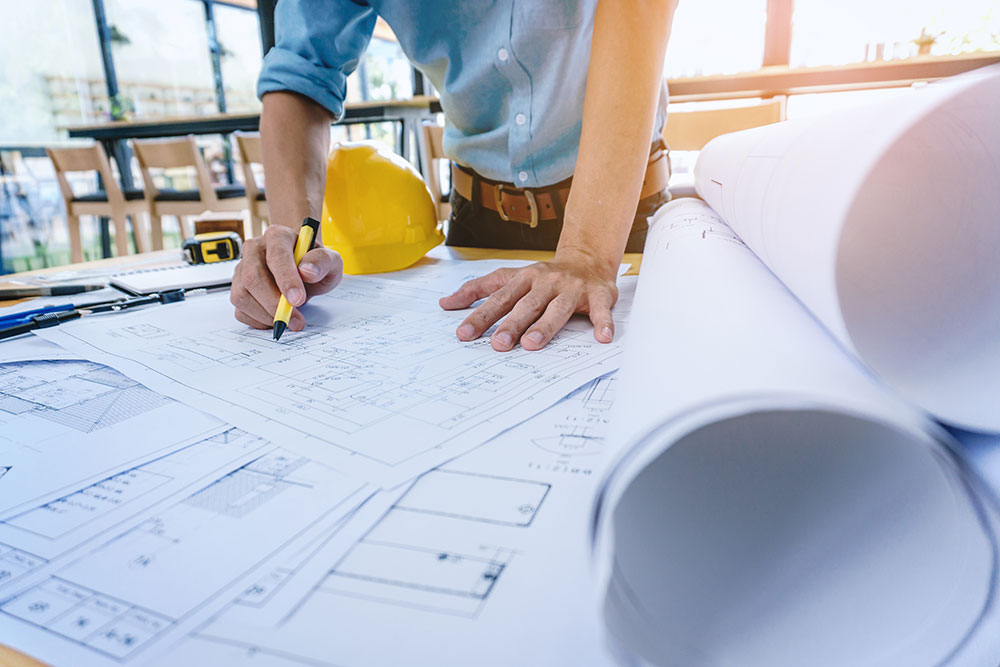
In the intricate world of structural engineering, where the safety and integrity of buildings are paramount, building codes serve as the guiding light. These codes are the bedrock upon which sound and secure structures are erected, ensuring they can withstand the test of time and environmental factors. However, the global nature of construction often presents engineers and architects with a unique challenge: how to navigate the intricacies of international building codes.
The Global Reach of Building Codes
Picture this scenario: You're a structural engineer based in Europe, and you've designed a cutting-edge building using the Eurocode. But now, your expertise is required on a project in the United States, where adherence to the American Concrete Institute (ACI) code is imperative. Here's where the importance of code translation becomes glaringly evident.
Building Codes: More Than Just Regulations
Building codes are not merely a set of rules; they are comprehensive documents that encompass the best practices, standards, and safety measures specific to a particular region. These codes are designed to address unique environmental, structural, and safety considerations. Hence, transitioning from one code to another involves far more than simple translation—it necessitates an in-depth understanding of the nuances and divergent requirements of each code.
Why Code Translation Matters
Global Projects: In today's interconnected world, engineering projects often transcend borders. Whether you're working on a skyscraper in New York or a bridge in Dubai, the ability to seamlessly transition between codes is indispensable. Accurate code translation ensures your project remains compliant with local regulations, avoiding costly setbacks.
Cost Efficiency: Manual code translation can be an arduous and time-consuming process, consuming valuable resources. AI-driven code translation streamlines the process, potentially saving considerable costs and allowing for a quicker time to market.
Risk Reduction: Errors in code translation can introduce structural vulnerabilities that may not become apparent until a project is underway. Rectifying such errors can be both costly and time-consuming. Accurate translation significantly reduces these risks.
Innovation: By automating the translation process, structural engineers can devote more time and creativity to innovative design solutions. The burdensome task of code translation is shifted to AI, allowing engineers to focus on what they do best—designing safe, efficient, and groundbreaking structures.
Embracing the Future of Code Translation
The importance of code translation cannot be overstated in the field of structural engineering. It bridges the gap between diverse codes, allowing engineers to apply their expertise to a global stage. The advent of AI-powered Structural Analysis Code Translation offers a promising solution, simplifying the translation process, ensuring accuracy, and promoting compliance with international building codes.
As our world becomes increasingly interconnected, embracing technology and innovation is not just an option; it's a necessity. The future of structural engineering lies in the hands of those who are willing to adapt, leverage cutting-edge tools, and strive for excellence in code translation.
Ready to revolutionize your structural engineering projects? Discover how our AI-powered structural Analysis Code Translator can simplify your work, enhance accuracy, and ensure compliance. Learn More
Join us in embracing the future of structural engineering, where code translation is streamlined, efficient, and precise, ensuring the safety and integrity of structures worldwide.
Comments
Post a Comment